$ article
How SEO Works and How to Build a Website That Search Engines Understand
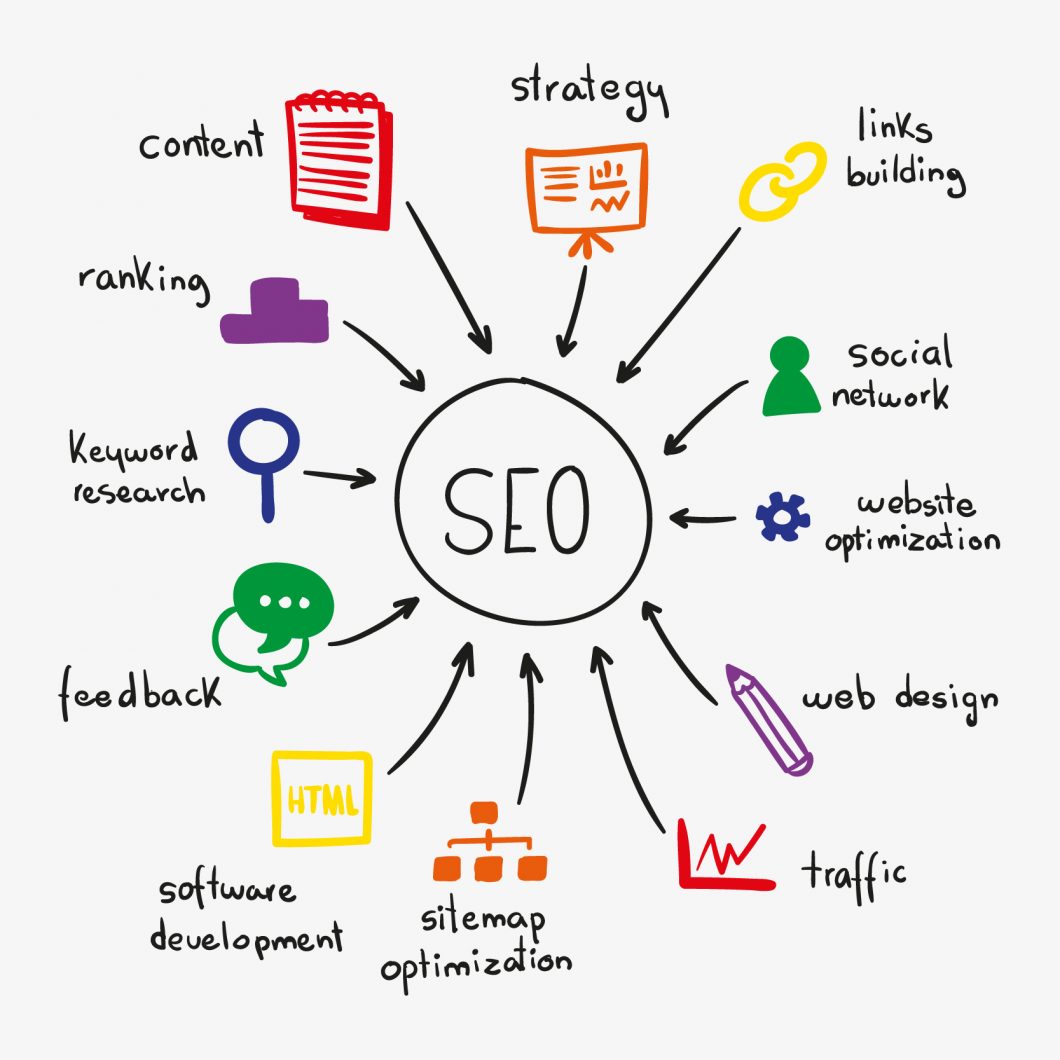
Search engine optimization, usually called SEO, can sound more complicated than it really is. At its core, SEO is about helping the right people find your website when they search for something you can help them with.
A search engine needs to discover your pages, understand what they are about, decide whether they are useful, and then show them to the right people. A good SEO strategy helps with all four of those steps.
SEO is not a button that places a website at the top of Google overnight. It is a long-term process of making a website clearer, more useful, faster, and more trustworthy.
What SEO actually means
Imagine that you open a large library and ask the librarian for a book about learning JavaScript. The librarian needs to know which books exist, what each book is about, whether the books are reliable, and which one is most useful for your question.
Search engines work in a similar way. They scan websites, organize their information, and try to return the most helpful results for each search.
SEO is the process of making your website easier for both visitors and search engines to understand.
How search engines find your website
Search engines use automated programs called crawlers. These crawlers follow links, read pages, and discover new content.
A crawler may find a page through another page that links to it, an XML sitemap, or a previously known URL. If there are no clear links to a page, the page may be difficult to discover.
This is why important pages should be connected through your website’s navigation and internal links. A page should not be hidden in a way that makes it impossible for users or search engines to reach.
Crawling, indexing, and ranking
These three words describe different parts of the search process.
Crawling
Crawling is when a search engine visits a page and reads its content. The search engine also checks links, images, scripts, and other resources that help it understand the page.
Indexing
Indexing is when a search engine processes the page and decides whether it should store the page in its searchable database.
A page being indexed does not mean it will automatically rank well. It only means that the page is available to be considered for relevant searches.
Ranking
Ranking is the process of deciding which pages should appear first, second, third, and so on for a particular search.
Search engines consider many things, including relevance, content quality, page experience, website structure, links, location, and the meaning behind the user’s search.
The four important parts of SEO
Most SEO work can be grouped into four areas: technical SEO, content, on-page optimization, and authority.
1. Technical SEO
Technical SEO focuses on whether search engines can access and process your website properly.
- Use HTTPS so the connection between the visitor and website is secure.
- Make sure important pages return a successful response.
- Do not accidentally block pages with robots.txt or noindex.
- Create an XML sitemap for important URLs.
- Use clear redirects when URLs change.
- Make the website work well on mobile devices.
- Make sure important content is available even when JavaScript is used.
- Keep the website fast and visually stable.
Technical SEO does not replace useful content. It simply makes sure that your useful content can be found and understood.
2. Helpful content
Content is the information people come to your website to read, watch, compare, or use. Good content answers a real question or helps someone complete a real task.
Before writing a page, ask yourself:
- Who is this page for?
- What question is the visitor trying to answer?
- What does the visitor need to know next?
- Can this page provide something clearer or more useful than existing results?
- What action should the visitor take after reading?
Avoid writing only to include keywords. A page filled with repeated phrases may look optimized, but it usually creates a poor experience for real people.
3. On-page SEO
On-page SEO means improving the visible and behind-the-scenes parts of an individual page.
Important elements include the page title, main heading, section headings, URL, introduction, links, images, and meta description.
For example, a vague title like “Our Services” does not tell users much. A clearer title would be “Website Design Services for Small Businesses.”
Your title should describe the page accurately. Your headings should organize the content. Your introduction should quickly explain what the reader will learn or achieve.
4. Website authority
Search engines also look for signals that help them understand whether a website is trustworthy and respected.
One way this can happen is through links from other relevant websites. A link can act as a recommendation, especially when it comes from a useful and reputable source.
The best way to earn links is to publish something worth referencing: original research, useful tools, clear tutorials, unique data, or genuinely helpful resources.
Buying low-quality links or creating links only to manipulate rankings can damage a website instead of helping it.
How to build a website that supports SEO
SEO should be considered before a website is launched. It is easier to build a clean structure from the beginning than to repair hundreds of poorly organized pages later.
Start with a clear website structure
Organize your pages in a way that makes sense to visitors. A simple structure might look like this:
/
├── about/
├── services/
│   ├── web-design/
│   └── seo-consulting/
├── articles/
│   ├── seo-fundamentals/
│   └── technical-seo/
└── contact/
Each page should have one main purpose. Related pages should link to one another, and the most important pages should be reachable within a few clicks from the homepage.
Use meaningful URLs
Compare these two URLs:
example.com/page?id=1847

example.com/articles/seo-fundamentals
The second URL is easier for a person to understand. It also gives search engines useful context about the page.
Write useful page titles
Every important page should have a unique title that accurately describes its content.
<title>SEO Fundamentals for Beginners | Manul Mandalawatta</title>Do not use the same title for every page. A repeated title makes it harder for users to understand which result is relevant.
Use headings to guide the reader
A heading is not just a larger piece of text. It gives the page a structure. The main page title should normally be the main heading, and the remaining sections should follow a logical order.
Good headings also make long articles easier to scan. Many visitors will look at the headings first before deciding whether to read the entire page.
Make pages fast and comfortable
A website should feel responsive. Compress large images, avoid loading unnecessary scripts, reduce layout movement, and make sure the main content appears quickly.
Google’s Core Web Vitals measure loading performance, responsiveness, and visual stability. They are useful targets for improving user experience, but a fast website still needs relevant and helpful content.
Use structured data carefully
Structured data gives search engines additional information about a page. For example, it can identify an article, product, recipe, organization, event, or review.
Structured data should describe content that is actually visible on the page. It may make a page eligible for enhanced search results, but it does not guarantee that those enhanced results will appear.
A practical SEO publishing checklist
Before publishing a page, walk through this checklist:
- Define the audience and purpose of the page.
- Understand the question or problem the visitor has.
- Write an accurate and useful title.
- Create one clear main heading.
- Organize the content with descriptive section headings.
- Link to related pages on your website.
- Use descriptive image alternative text where needed.
- Check that the URL is readable and stable.
- Confirm that the page works on mobile devices.
- Check speed, layout stability, and unnecessary scripts.
- Make sure the page is not accidentally blocked from indexing.
- Proofread the content and remove confusing or unnecessary sections.
How to improve SEO after launch
SEO does not end when a website goes live. After launch, you need to observe how people find and use the website.
Google Search Console can show which queries produced impressions and clicks, which pages appear in search, and whether Google has found indexing or experience problems.
Look for patterns rather than focusing on a single day of data. A page that receives many impressions but few clicks may need a clearer title or description. A page that receives clicks but does not produce enquiries may need a better explanation, stronger trust signals, or a clearer next step.
Improve one thing at a time
Suppose an article appears for the search “technical SEO checklist” but receives very few clicks. You could improve the title so it clearly explains what the article contains, record the change, and compare performance after enough time has passed.
Keeping a simple change log makes SEO less mysterious. Record the page, the change, the date, and the result. Over time, this creates a useful record of what works for your specific website and audience.
Common SEO mistakes
- Writing for search engines instead of people.
- Repeating the same keyword unnaturally.
- Publishing many short pages with little original value.
- Using the same title and description on every page.
- Blocking important pages accidentally.
- Ignoring mobile users.
- Creating pages that cannot be reached through internal links.
- Expecting structured data to guarantee rich results.
- Buying poor-quality backlinks.
- Changing everything at once and then being unable to measure the result.
SEO is a process, not a shortcut
The strongest SEO results usually come from many small improvements: clearer pages, better navigation, faster loading, more useful explanations, stronger internal links, and regular measurement.
The goal is not to trick a search engine. The goal is to create the page that a real person would be happy to find.
If your website helps people solve problems clearly and makes it easy for search engines to understand what you offer, you have built a strong foundation for long-term search visibility.